
Why the Baltic forests are Europe's last quiet frontier
Latvia, Estonia and Lithuania quietly hold some of the cheapest forest land, lake plots and off-grid acreage anywhere in the EU. For buyers who care more about silence than sun, the Baltics deserve a serious look.
By Arva Nordic Editorial
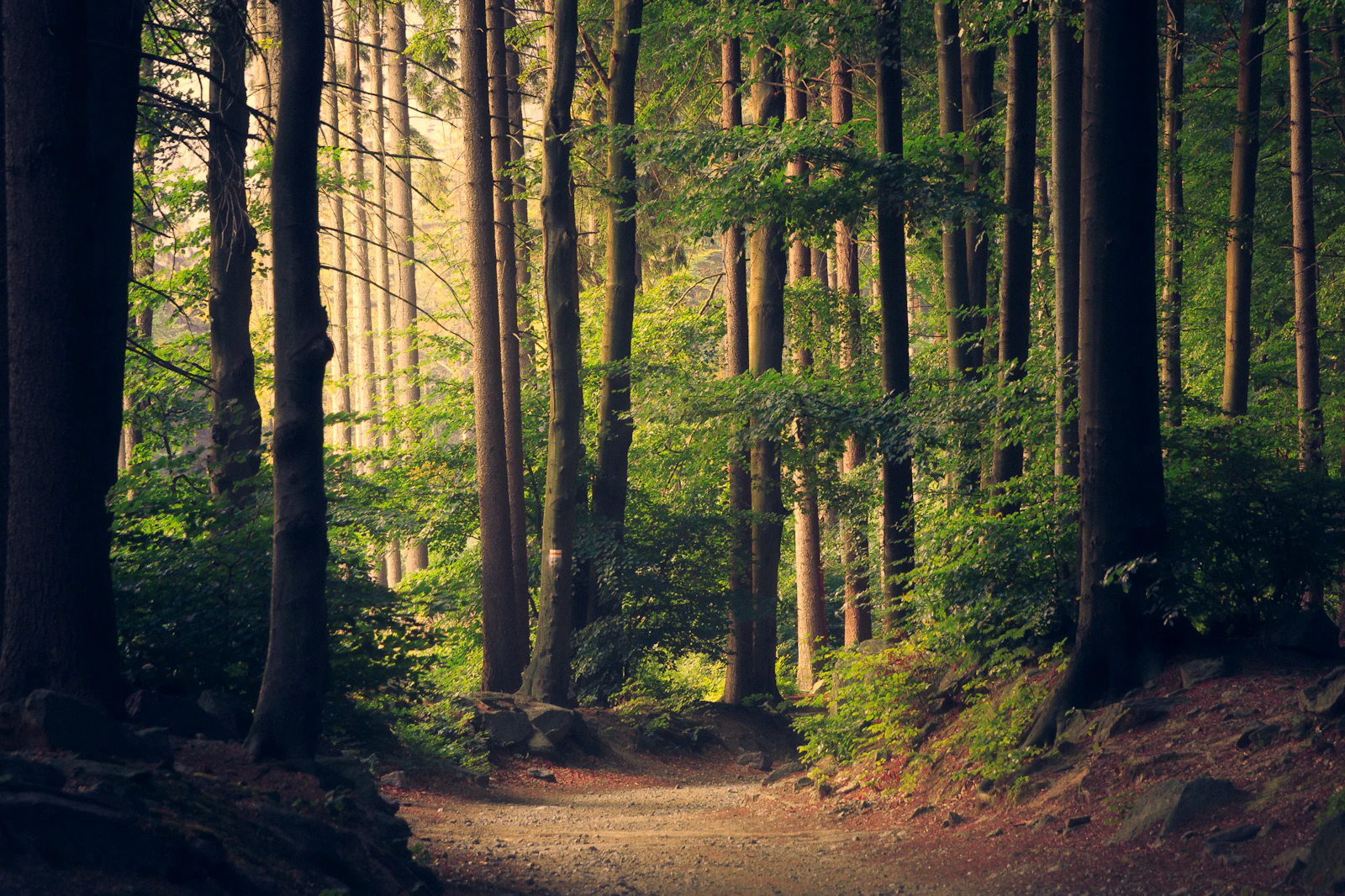
Walk into the woods an hour east of Cēsis in central Latvia and the first thing you notice is the absence of fences. Then the absence of road noise. Then, at some point, the absence of other people. The Baltic states contain some of the most contiguous, lightly-populated forest in Europe — and a quietly functioning land market that most Western buyers haven't yet discovered.
Prices for forest and rural land in Latvia, Estonia and Lithuania remain a fraction of those in Germany, France or Scandinavia. Bureaucracy is in English (or eagerly translated for it). Title is clean. The catch is small but real: you have to learn how a Northern European forest economy works, and you have to enjoy weather that, for five months of the year, takes its job seriously.
Why prices stayed low
Three quiet decades. After independence in 1991, agricultural and forest land was returned to pre-Soviet owners or their heirs, who often lived abroad and had no use for forty hectares of pine. The result was — and still is — a steady supply of small-to-medium parcels coming to market, frequently from owners who never moved back.
EU membership in 2004 stabilised title and brought professional forestry standards. Yet land prices stayed low because rural depopulation accelerated through the 2000s and 2010s. Today you can still buy 20 hectares of mature spruce forest in Latgale (eastern Latvia) for less than the price of a Berlin parking space.
What you can actually buy
Three categories dominate. The first is working forest — typically 5 to 100 hectares of mixed pine, spruce and birch, often with a forest management plan attached. These yield modest annual income from selective cutting, and many are bought as long-term inflation-hedged assets by Northern European investors.
The second is lake plots — Latvia and Estonia together contain over 4,000 lakes, and many shorelines have small private parcels with a sauna, a jetty, and a wood-burning stove. Prices range from €15,000 for a basic plot to €150,000 for a year-round cabin with cleared land.
The third — and most interesting for slow-living buyers — is the small viensēta or talu: an old farmstead, often a single 19th-century timber house with outbuildings, on 5 to 30 hectares of mixed forest and meadow. These come up regularly and rarely exceed €120,000 for something habitable.
Foreign ownership rules
All three countries are EU members and EU/EEA citizens can buy freely. Non-EU buyers (US, UK, Swiss, others) face a slightly different process: in Latvia, agricultural and forest land above 10 hectares requires permission from the local municipality, which is usually granted but adds 2–3 months. In Estonia and Lithuania, similar restrictions apply on agricultural land above certain thresholds.
Workarounds are normal and legal. Many foreign buyers register a local company (a Latvian SIA or Estonian OÜ; setup costs around €300–€500) and purchase through it. This is the standard route, and your local lawyer will not blink.
The cost of getting it wrong
Two pitfalls cost foreign buyers real money. The first is buying forest without a current management plan and discovering the previous owner clear-cut the most valuable stand the year before sale. Always look at the inventory document (Latvia: Meža inventarizācija; Estonia: metsamajandamiskava). The age and species mix tell you whether you have a forest or a recovering stump field.
The second is access. A surprising number of inland parcels are reached only by a forest track that crosses neighbouring land. Confirm the right of way is registered, not assumed. A Baltic neighbour with twenty years of unspoken use of your access road is not going to volunteer the problem; your lawyer needs to ask.
What it actually costs to live there
If you intend to live, not just hold, the Baltic states are some of the most affordable EU countries. A renovated rural house with full insulation, heat pump and fast internet runs €600–€900 a month in total operating costs for a family — most of it heating from October to April.
Internet, somewhat improbably, is excellent: rural fibre coverage in Estonia and Latvia is better than in much of rural France or the UK. Healthcare is solid in towns of any size. Riga and Tallinn are 90 minutes by car for most properties; Vilnius the same for southern Lithuania.
Who it's for
Not everyone. If you want sun, vines, and outdoor lunches in February, look south. The Baltic winter is long, dark and uncompromising, and February in Latgale will test any romantic notion you brought with you.
But if you want mature forest, real silence, lakes you can swim in alone, and prices that haven't yet caught up with the rest of Europe — and if you don't mind splitting your own firewood — the Baltics are the most underrated rural opportunity on the continent. The frontier is closing in Western Europe. Up here, it is still wide open.
"The frontier is closing in Western Europe. Up here, it is still wide open."
Next step
Ready to start your own search?
Tell us what you're looking for and we'll match you with vetted rural listings and local experts across Europe.
Find My Property