
A year on five hectares — what slow living actually costs
Two adults, one child, one dog, five hectares of cork oaks an hour east of Évora. We tracked every euro for twelve months. Here is what the slow life actually costs — and what it's worth.
By A. Hartmann, contributor
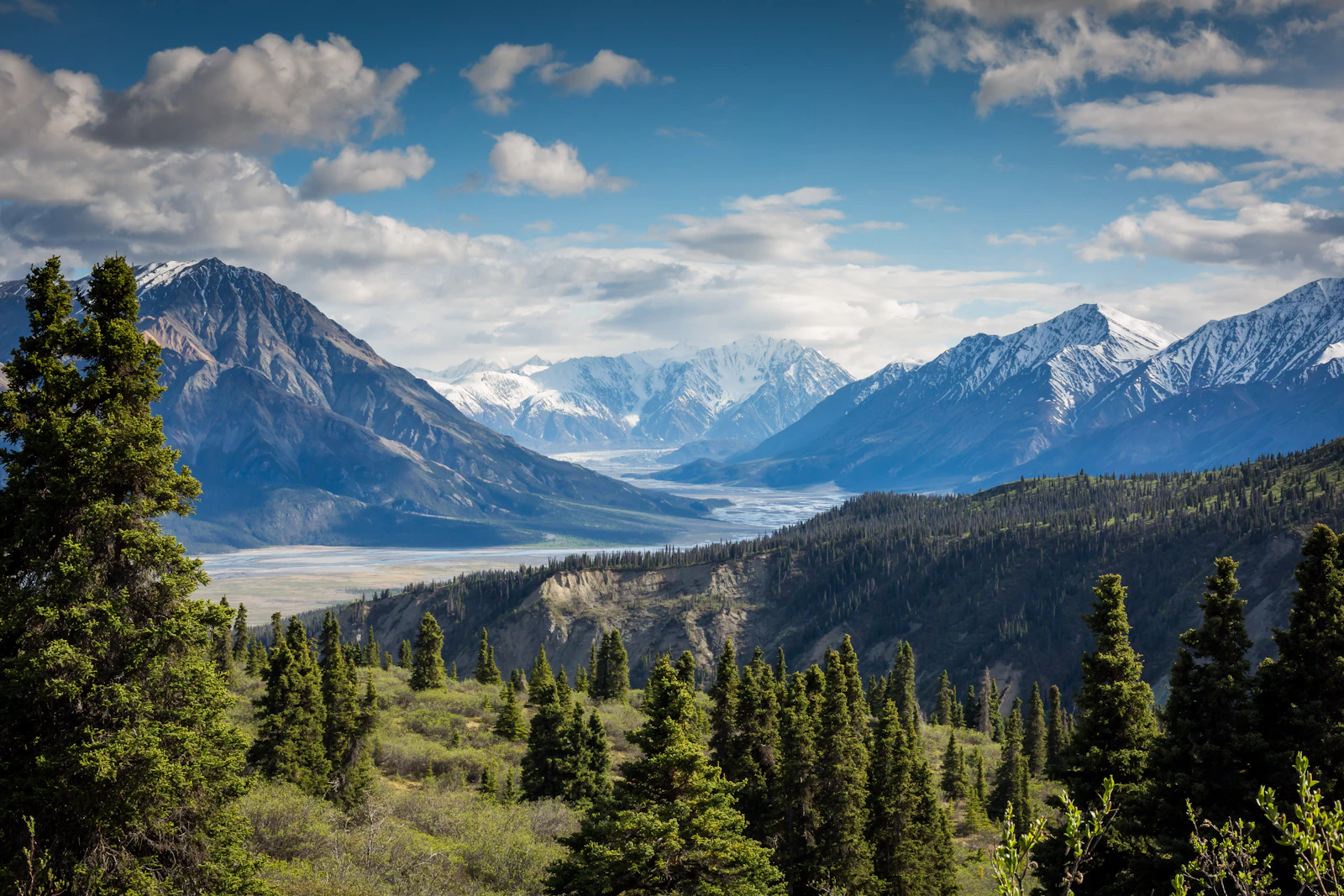
We left a 78-square-metre flat in Berlin-Neukölln in March 2025. By April we were unpacking boxes in a 1930s farmhouse outside Estremoz, surrounded by five hectares of cork oak, a stubborn pomegranate tree, and a level of silence I had to physically adjust to.
Twelve months in, friends keep asking the same question — phrased politely, but unmistakably: "So… what does it actually cost?" Below are the real numbers. Not the influencer numbers. Not the worst-case property-developer numbers. Just one family, one farmhouse, one year.
Fixed costs — the things you cannot opt out of
IMI (annual property tax) on our farmhouse: €380. We had braced for more. Rural Portuguese property is taxed gently, especially when classified as agricultural. Health insurance for two adults and a child: €2,640. We use the public system for emergencies and a private plan for everything else; this is roughly half what we paid in Germany.
Car insurance for one ten-year-old diesel station wagon: €410. Internet (Vodafone fibre, surprisingly excellent): €36 per month. Mobile data for two phones: €25 per month. Total fixed costs for the year: €4,562. Or about €380 a month — for a family of three.
Energy and water — the rural reality
Electricity was our biggest surprise, and not in the direction you'd expect. Portugal is sunny, and the previous owners had installed a small 4 kWp solar array. From May to October we paid almost nothing — €15 a month in connection fees. November to February, when the panels produce a third as much and we needed real heating, we paid €120–€180 a month.
Heating itself is cork oak we cut from our own land, plus a single ceramic stove in the living room. Wood stove insert: €0 in fuel costs. Chainsaw maintenance, fuel, and a borrowed log splitter: about €180 for the season. Hot water is a heat pump on a timer.
Water is from a borehole, which the previous owners had drilled twelve metres down. Pump runs on solar. We pay for the electricity and a water-quality test once a year (€85). Annual water bill, in cash terms: €0.
The unsexy line items
Septic tank pumping (every two years, but we did it once for peace of mind): €180. Olive oil pressing at the cooperative — we have 60 trees, which produced about 90 litres of oil from our first harvest: €120 in pressing fees, and a year of oil we don't have to buy.
Insurance on the buildings: €420. Annual chimney sweep: €60. Replacing one cracked tile on the roof, plus the man with the long ladder: €140. Vet bills for the dog (one snake bite, treated): €310.
Food — the quiet revolution
We grow more than I thought we would and less than the Instagram homesteaders pretend. Tomatoes, courgettes, kale, herbs, a hopeful row of peppers, lettuces in winter. The chickens (six of them, €60 in initial cost, €18 a month in feed) cover our eggs entirely.
We buy the rest. The Friday market in Estremoz is the cheapest food I have ever paid for in Europe: €4 for a kilo of fresh sardines, €2 for a chicken from a neighbour, €0.80 for a kilo of oranges in season. Our weekly food bill, including a bottle of decent wine and the occasional restaurant meal, lands around €110 — for three of us.
What it costs in total
Adding everything — fixed costs, energy, water, maintenance, food, fuel for the car, school supplies, the dog, the trip to the vet, the chimney sweep, and a ten-day holiday back in Germany — our family of three spent €18,400 in our first twelve months. About €1,533 a month.
In Berlin we had spent more than that on rent and utilities alone, before food, before transport, before anything else. The maths, for us, is no longer abstract.
What it costs that doesn't show up in numbers
Time. Land takes time. The first year is mostly fixing what the previous owners didn't quite finish — the gate that doesn't latch, the irrigation line that leaks, the wall the goat keeps testing. You will spend more weekends with a shovel than you planned.
Distance. The nearest hospital is 35 minutes. The nearest cinema is 50. If you have small children, factor in the school run; if you have aging parents, factor in flights. These are not deal-breakers, but they are real.
Community, which arrives slowly. Rural Portugal is generous but unhurried. The first six months you are the foreigners on the hill. By the second summer, the man who sells you wood knows your dog by name, and your neighbour drops off a bowl of soup the day you all have flu.
Was it worth it?
We are not romantics about it. Some weeks the well is fine and the stars are wild and the child runs barefoot until dark and we cannot believe our luck. Other weeks the car breaks down on a Sunday in a village with one mechanic, and the well pump fails the same week, and we miss the U-Bahn and a really good Vietnamese restaurant.
But we sleep more. We argue less. The kid is brown and muddy and inventive in a way she wasn't in the city. And — this is the boring honest answer — we spend less than half what we used to and feel twice as rich. That is what slow living costs. And that is what it pays.
"We spend less than half what we used to, and feel twice as rich. That is what slow living costs. And that is what it pays."
Next step
Ready to start your own search?
Tell us what you're looking for and we'll match you with vetted rural listings and local experts across Europe.
Find My Property